The tomatoes are still coming, the peppers are finally blushing red, and the zucchini plants haven’t gotten the memo that fall is around the corner. Late summer is one of the busiest — and most rewarding — stretches of the preserving season. Here’s how to make the most of it before the garden winds down.
Take Inventory Before You Start
Before you pull out the canner, walk your garden and take stock of what’s actually ripening in volume. End-of-summer harvests tend to come in waves rather than a steady trickle, so it’s easy to get overwhelmed. Sort what you have into three piles:
- Eat fresh this week — anything delicate or already very ripe
- Preserve now — produce at peak ripeness in large enough quantity to justify a canning session
- Freeze for later — extras you don’t have time to process right away
This simple sort saves a lot of last-minute scrambling and food waste.
Tomatoes: Your End-of-Season MVP
If there’s one crop that defines late-summer preserving, it’s tomatoes. A few ways to use a big haul:
- Canned whole or crushed tomatoes — the workhorse of winter cooking. Great in a water bath canner if you add the right amount of acid (bottled lemon juice or citric acid, not just vinegar to taste).
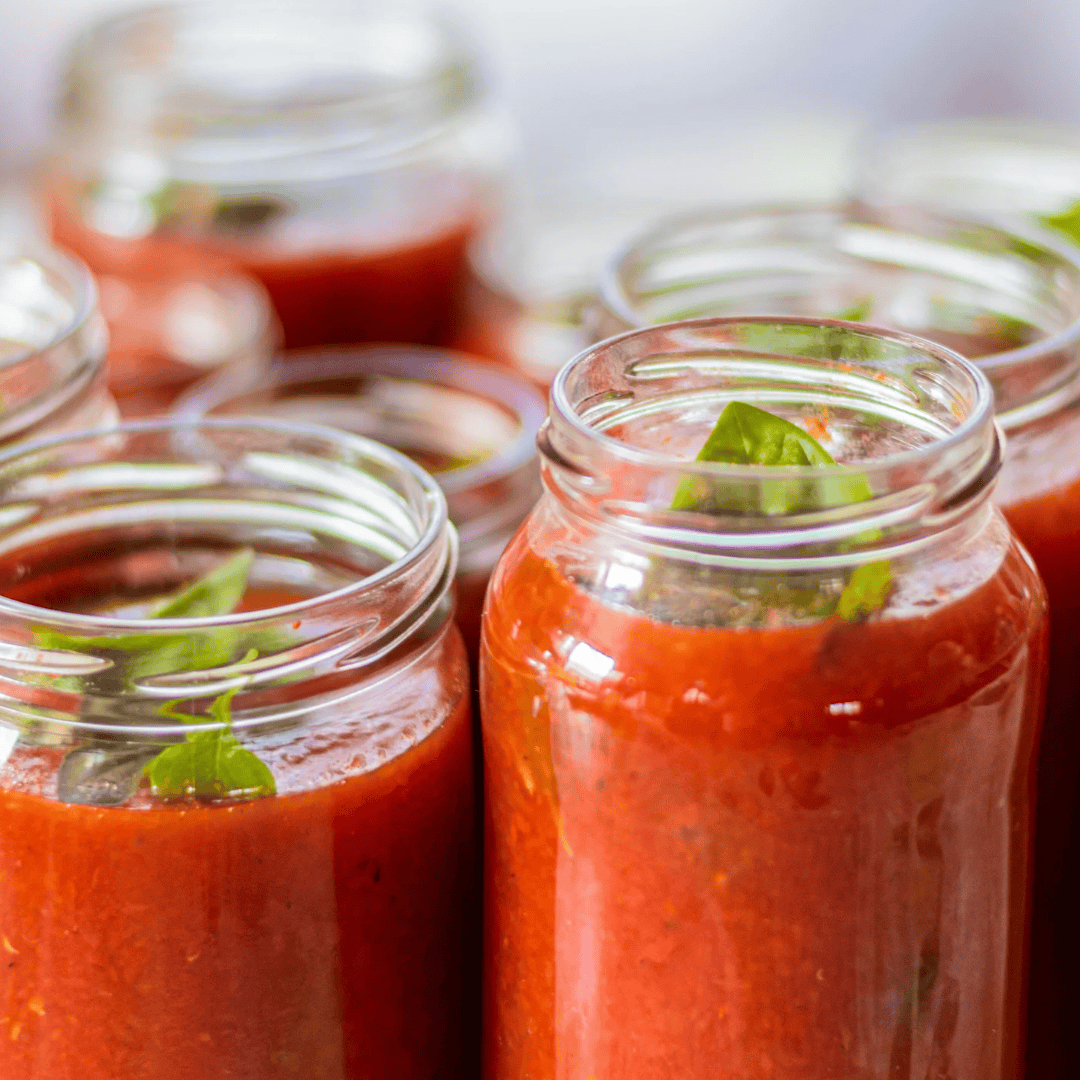
- Tomato sauce or salsa — cook down a big batch and can it in pint jars for easy weeknight meals later.
- My Favorite Salsa Recipe is here ➡️Smoky Garden Salsa: How the Smoker Changes Everything
- Oven-roasted and frozen — if you’re short on canning time, roasting halved tomatoes with olive oil and garlic, then freezing them flat on a sheet pan, is a low-effort way to lock in flavor.
Peppers and Zucchini
Peppers freeze beautifully with almost no prep- Check out ➡️One Garden Crop I Haven’t Bought in Over 2 Years: Sweet Peppers
OR my favorite instant appetizer:➡️ Red Pepper Jelly: The Easiest Appetizer You’ll Ever Make
Zucchini is a great item to prep for the winter,➡️ Check out my post about how to freeze them!
Herbs Before the Frost
Basil, in particular, turns black at the first cool night, so it’s worth harvesting fully before frost risk sets in. Blend it into pesto and freeze in ice cube trays for easy portioning, or simply chop and freeze in oil.
A Few Preserving Reminders
A few habits make end-of-season preserving smoother and safer:
- Use tested recipes for anything water-bath or pressure canned — acidity levels matter for safety, not just flavor.
- Label everything with the contents and date. It’s easy to forget what’s in an unlabeled jar by January.
- Don’t can more than you’ll realistically use. It’s tempting to preserve every last tomato, but a full pantry of food you never get to before next season isn’t actually saving anything.
- Keep a running log of what you preserved and how much — it makes planning next year’s garden (and knowing when to stop canning tomatoes) so much easier. ➡️Grab my Canning Log to keep track of it all!
Wrapping Up the Season
End-of-summer preserving is as much about slowing down and taking stock as it is about jars and lids. Whatever doesn’t get preserved can usually still be shared, composted, or enjoyed fresh — no need to feel like every last vegetable has to end up in a jar.
What’s overflowing in your garden right now? I’d love to hear what you’re preserving this week.
Leave a Reply